Reviewing the Holly Jolly Nurse Christmas SVG
As a designer who spends more time staring at stitch maps than actual fabric, I have learned that not every graphic translates well to thread. When I first pulled up the Holly Jolly Nurse Christmas SVG T-shirt file, my initial reaction was one of cautious optimism. The theme is specific, combining professional pride with holiday cheer, which is a lucrative niche for small business owners and Etsy sellers during the fourth quarter. But does it hold up under the needle? I decided to put this design through its paces to see if it belongs in your commercial embroidery portfolio.
First Impressions and Visual Personality
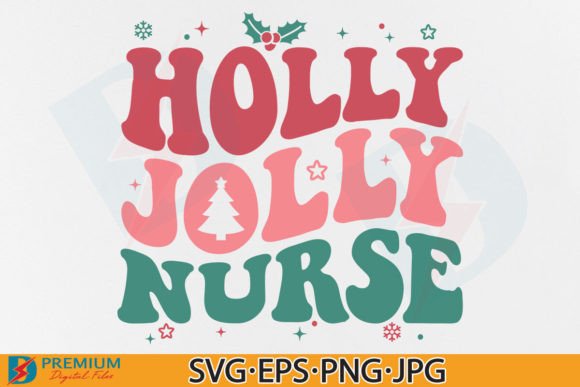
The mood of this design is warm, professional, and festive without being overly cluttered. In the world of T-Shirt Designs, clarity is king. You want a message that reads instantly from across a room. This piece achieves that balance. The layout feels intentional, with a hierarchy that guides the eye naturally. For those of us working in Graphics, we know that what looks good on a screen can sometimes disappear into a mess of threads on fabric. However, the clean lines here suggest that the designer understood the limitations of embroidery machinery.
I appreciated the visual personality immediately. It does not scream for attention with chaotic details; instead, it offers a polished look that fits well within the aesthetic of modern boutique branding. If you are creating handmade products for nurses who want to celebrate their profession during the holidays, this design hits the right emotional note. It feels respectful yet celebratory, which is crucial for custom apparel targeting healthcare workers.
Real-World Application: The Sweatshirt Test
To truly evaluate a machine embroidery design, you have to imagine it on a finished product. I envisioned this design stitched onto a high-quality, heather grey crewneck sweatshirt. This is a staple item for any craft business selling holiday gifts. The contrast between the dark thread typically used for text and the soft fabric texture of a sweatshirt creates a tactile appeal that digital mockups simply cannot replicate.
In this scenario, the design serves as the centerpiece. Because it is likely intended as a statement piece, I would recommend placing it centrally on the chest. The scale seems appropriate for a standard hoop size, though you must verify the exact dimensions in the provided files. When I think about how customers might react, I see a gift that feels personal and thoughtful. A nurse receiving this as a personalized gift from a patient or family member would likely appreciate the specificity of the design. It moves beyond generic holiday cheer into something that acknowledges their hard work.
Performance on Different Fabrics
One of the critical aspects of using any embroidery file is understanding how it interacts with various materials. This design appears versatile enough for several applications:
- Cotton Tote Bags: The sturdy weave of a canvas tote bag provides an excellent foundation for this type of design. The fill stitch areas should lay flat without puckering if proper stabilizer is used.
- Aprons: For kitchen towels or aprons, which are popular holiday embroidery projects, the design adds a touch of whimsy. However, ensure the thread colors are colorfast if the item will be washed frequently.
- Caps and Hats: Here is where caution is needed. Curved surfaces like caps can distort designs. If you plan to use this on a hat, check the density carefully. Too much saturation in a small area can cause the fabric to pull or the cap to lose its shape.
Technical Considerations for Stitching
Before loading this into your machine, there are practical steps every embroidery designer should take. First, always test the design on scrap fabric that matches your final project material. This allows you to check thread color contrast and identify any potential issues with stitch density. If the design includes tiny lettering, inspect it closely after the test run. Small details can get lost if the satin stitch width is too narrow or if the fabric texture is too rough.
I also recommend reviewing the file formats provided. The description mentions SVG, PNG, EPS, and potentially other formats. For embroidery machines, you will need the specific machine-readable files (such as PES, DST, or EXP), which are often included in comprehensive bundles but should be confirmed. If you are only receiving vector graphics like SVG and EPS, you will need to digitize them yourself or convert them using specialized software. Ensure you understand what you are purchasing to avoid workflow interruptions.
Another key factor is the use of stabilizer. For stretchy fabrics like t-shirts, a cut-away stabilizer is essential to prevent distortion. For woven fabrics like tote bags, a tear-away might suffice. Always match your stabilizer choice to the fabric weight and the stitch density of the design. Dense areas require more support to maintain the integrity of the finished product.
Commercial Viability and Brand Consistency
For Etsy sellers and small shop owners, the value of a design lies in its ability to drive sales while maintaining brand consistency. The Holly Jolly Nurse Christmas SVG T-shirt design offers a professional look that enhances perceived value. Customers are willing to pay more for items that look polished and well-made. By using a clean, well-structured design, you signal quality and attention to detail.
When creating printable mockups or digital product previews, this design performs well because of its clear shapes. It photographs nicely, which is vital for online listings. Whether you are selling the physical embroidered item or the digital embroidery file itself, the visual appeal of this design supports higher engagement. It stands out in a crowded marketplace by targeting a specific audience with a relevant, timely theme.
Final Verdict and Designer Notes
In conclusion, this design is a strong contender for your holiday collection. It balances thematic relevance with technical feasibility. However, success depends on your execution. Pay attention to hoop size constraints, especially if you are working with smaller garments like baby clothes. Check the license terms carefully to confirm whether the design allows for commercial use of finished items or if it is restricted to personal projects. Never assume; always read the fine print provided by the designer.
If you approach this project with the right preparation—testing on scraps, choosing appropriate thread colors, and using the correct stabilizer—you will create a finished product that delights your customers. It is a solid addition to your library of design assets, offering both aesthetic charm and practical utility for the upcoming holiday season.